

Middle School Classes
Our Middle School classes are designed for Young Scientists in 5th grade and up and offer engaging, hands-on learning experiences that support relevant grade-level standards across science, STEAM, and creative exploration.
The Lab Crew
Foundational Science
The Lab Crew is a middle school Foundational Science series offered in three 5-week segments each semester. Each segment explores a different area of science through hands-on projects, investigation, and real-world connections.
Young Scientists may register for individual segments, but families are encouraged to enroll in all three for the fullest experience. The full series gives students broader exposure to key scientific concepts, supports ongoing skill development, and helps them build a strong foundational science background. Each segment includes hands-on activities and may feature a field trip or special project. Visit the About section for each segment to learn more.
Tuition: $350 per segment. Schedule: Wednesdays, 9:00 AM–11:00 AM
Location:
Prunedale Youth Center
17890 Moro Rd, Salinas, CA 93907

Fall Segment 1: Insect Ecology
-
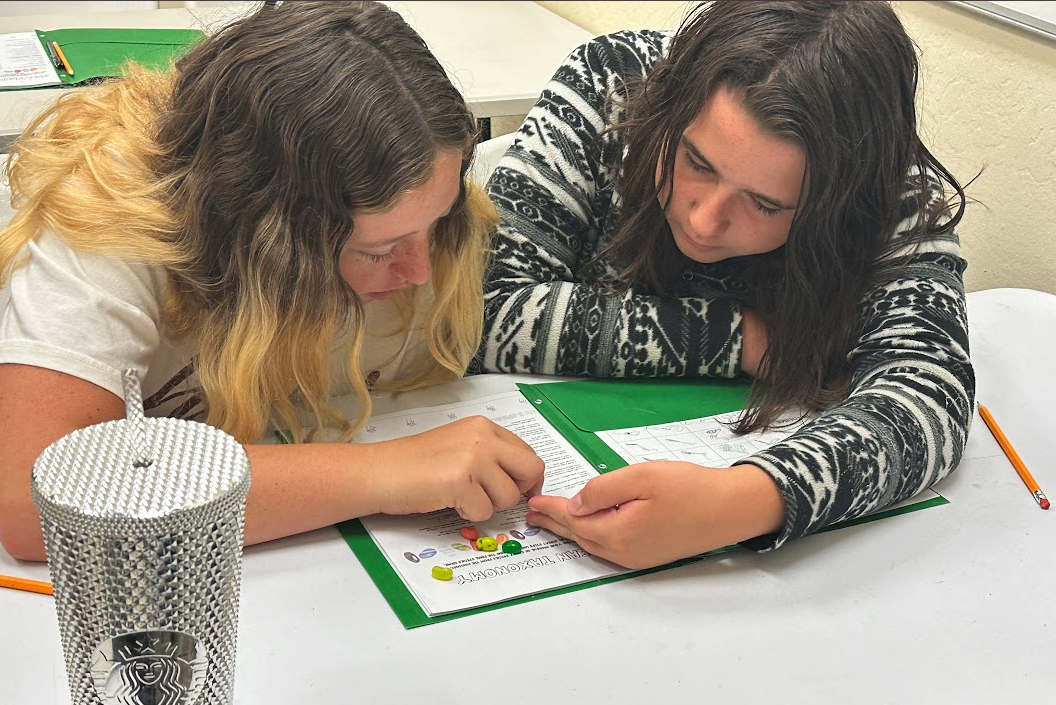
Insect Ecology is a 5-week segment in The Lab Crew, our middle school Foundational Science series. Through hands-on investigation, students will explore the world of insects while building skills in observation, classification, field ecology, and specimen study. This segment supports understanding of ecosystems, habitats, biodiversity, and organism interactions.
Young Scientists will learn what insects are, study the ecosystems they inhabit, and discover the important roles they play in agriculture, food webs, and everyday life. They will also practice outdoor safety, respectful collecting techniques, and the use of taxonomic keys to collect, preserve, pin, label, and identify specimens.
An optional Moth Collection Night offers students the chance to observe insects in the field, and the segment will conclude with a final showcase event for families and the community that celebrates the foundational science skills students developed through observation, classification, and hands-on investigation.
Fall Segment 2: Marine Biology
-
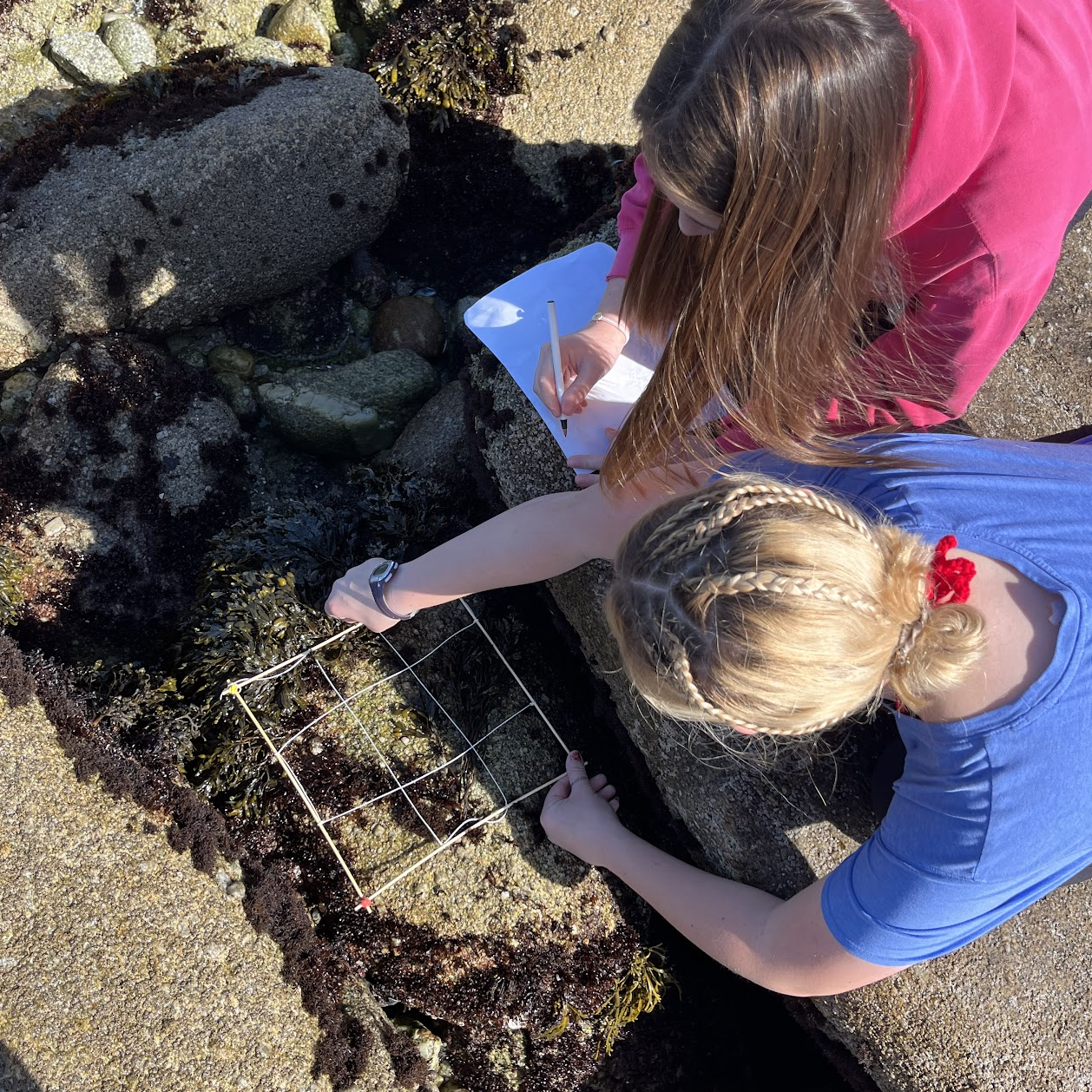
Marine Biology is a 5-week segment in The Lab Crew, our middle school Foundational Science series. Through hands-on investigation, students will explore marine ecosystems while building understanding of habitats, organism interactions, ocean processes, and human impact. This segment supports learning in ecology, Earth systems, and life science.
Young Scientists will begin with an introduction to marine science and the major ocean ecosystems, then learn the basics of physical oceanography, including currents, tides, and waves. They will study marine organisms, highlight common species found in Monterey Bay and beyond, and explore the important role of primary producers in marine ecosystems. The segment will also introduce students to human impacts on the ocean and techniques scientists use to collect marine data.
Developed with the help of a local marine researcher and diver, this segment offers students opportunity to connect to local biodiversity while building foundational science skills through engaging, real-world exploration.

Fall Segment 3: Surviving Earth
-
Surviving Earth is a 5-week segment in The Lab Crew, our middle school Foundational Science series. Through hands-on investigation, we will explore Earth as an interconnected system while building skills in observation, analysis, scientific modeling, and environmental interpretation. This segment supports understanding of Earth’s major spheres, including the atmosphere, hydrosphere, lithosphere, and biosphere, while engaging with relevant California state science standards.
Young Scientists will study weather and the atmosphere, plate tectonics and the lithosphere, the water cycle and the hydrosphere, and the biosphere and human impact. Along the way, they will examine how Earth’s systems interact, how change in one system can affect another, and how these processes shape the conditions that support life.
The segment may include hands-on models, outdoor observation, and investigations that help students connect scientific concepts to the world around them, and it will conclude with a final showcase event for families and the community that highlights the foundational science skills students developed through inquiry, analysis, and hands-on exploration.
Spring Segment 1: Zoology
-
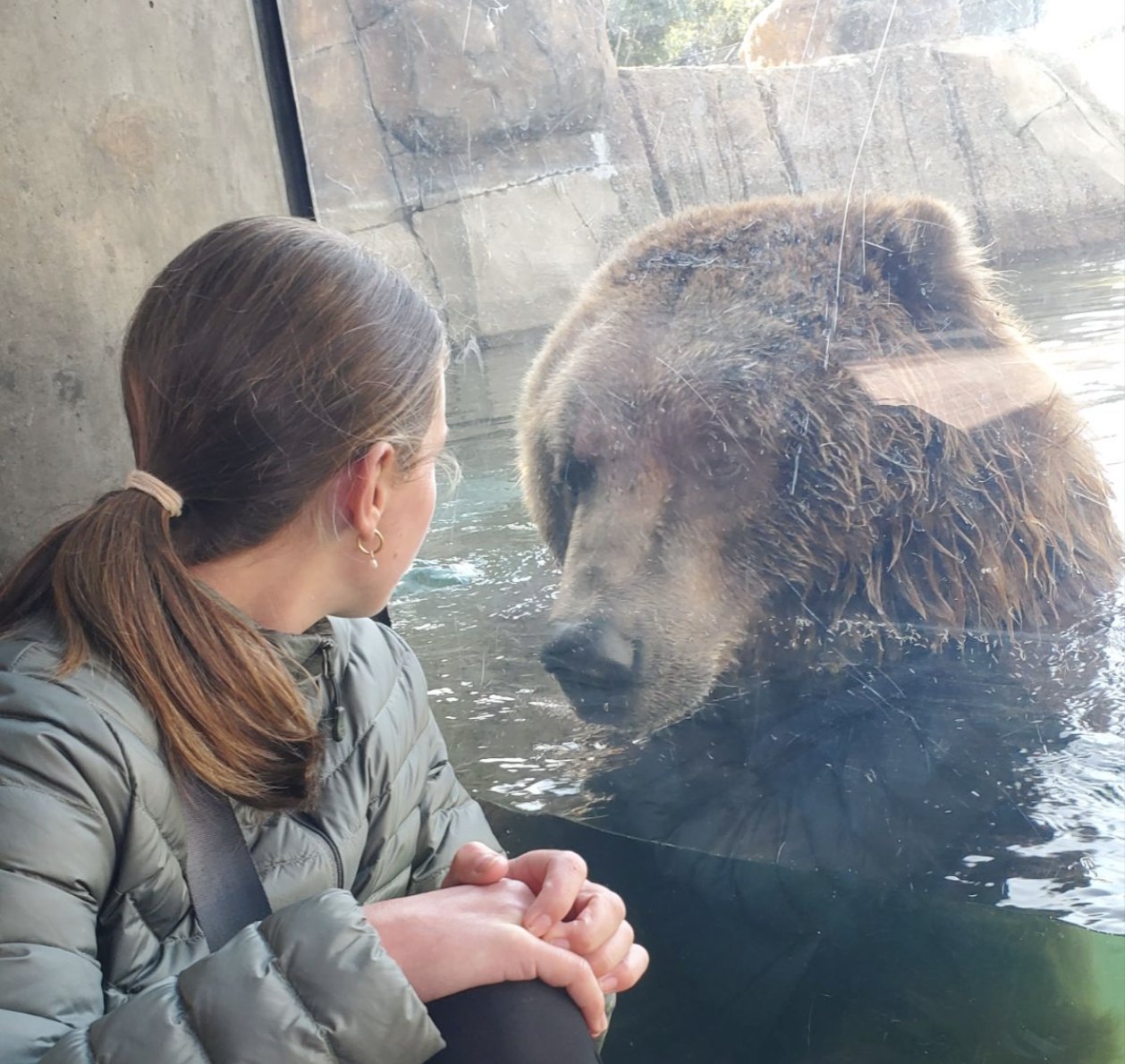
Delve into the captivating world of animals through hands-on exploration, engaging activities, and interactive learning experiences. In this dynamic course, students will explore a wide range of topics in zoology, including animal classification, anatomy, behavior, and ecology. From the smallest insects to majestic mammals, participants will discover the diversity of life on Earth and gain a deeper understanding of the interconnectedness of all living beings.
Through exciting activities such as dissections, habitat studies, and animal observation projects, students will develop essential scientific skills and critical thinking abilities.
Spring Segment 2: Chemistry
-
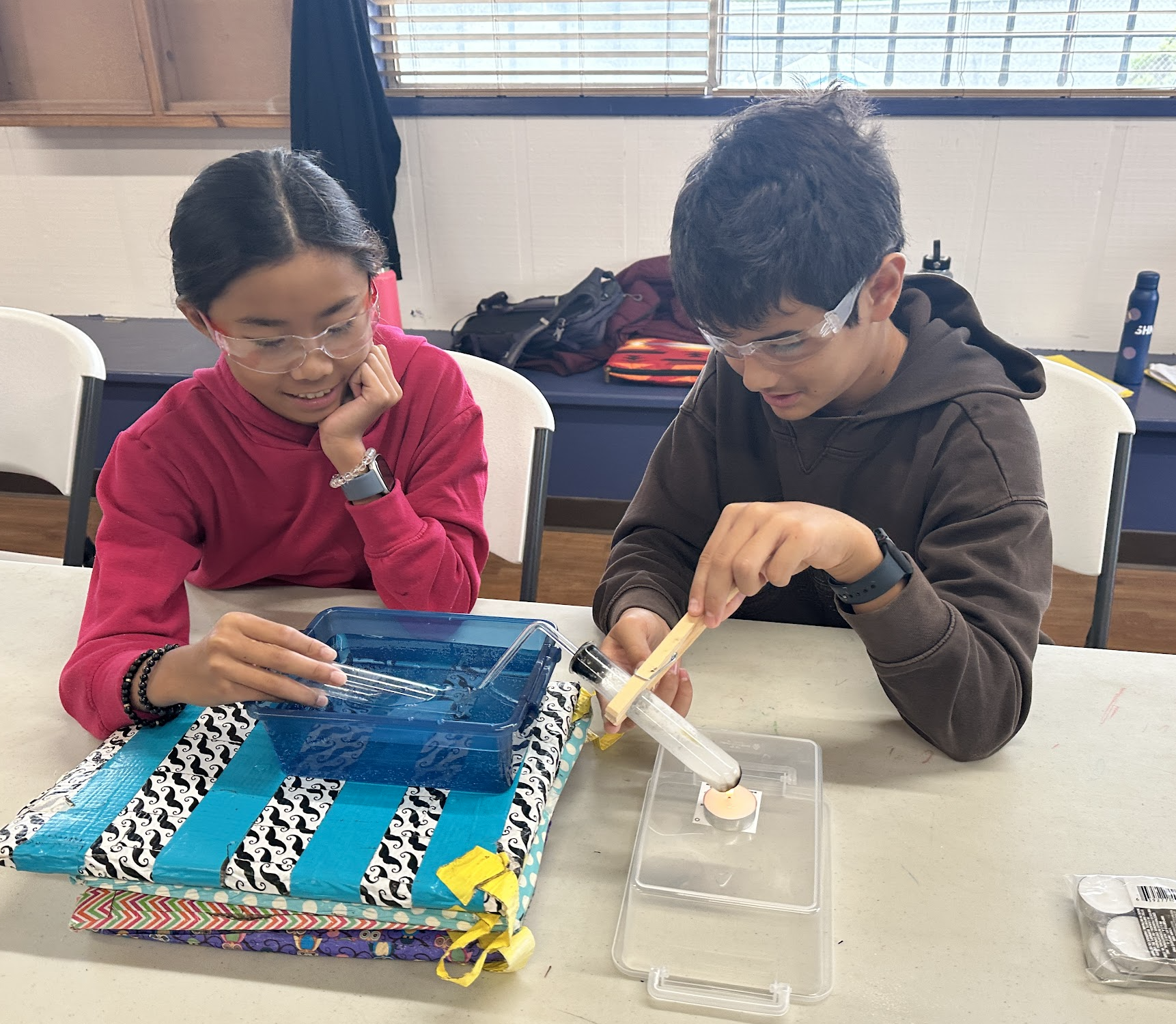
This hands-on Chemistry course introduces students to key middle and high school chemistry concepts through engaging weekly labs.
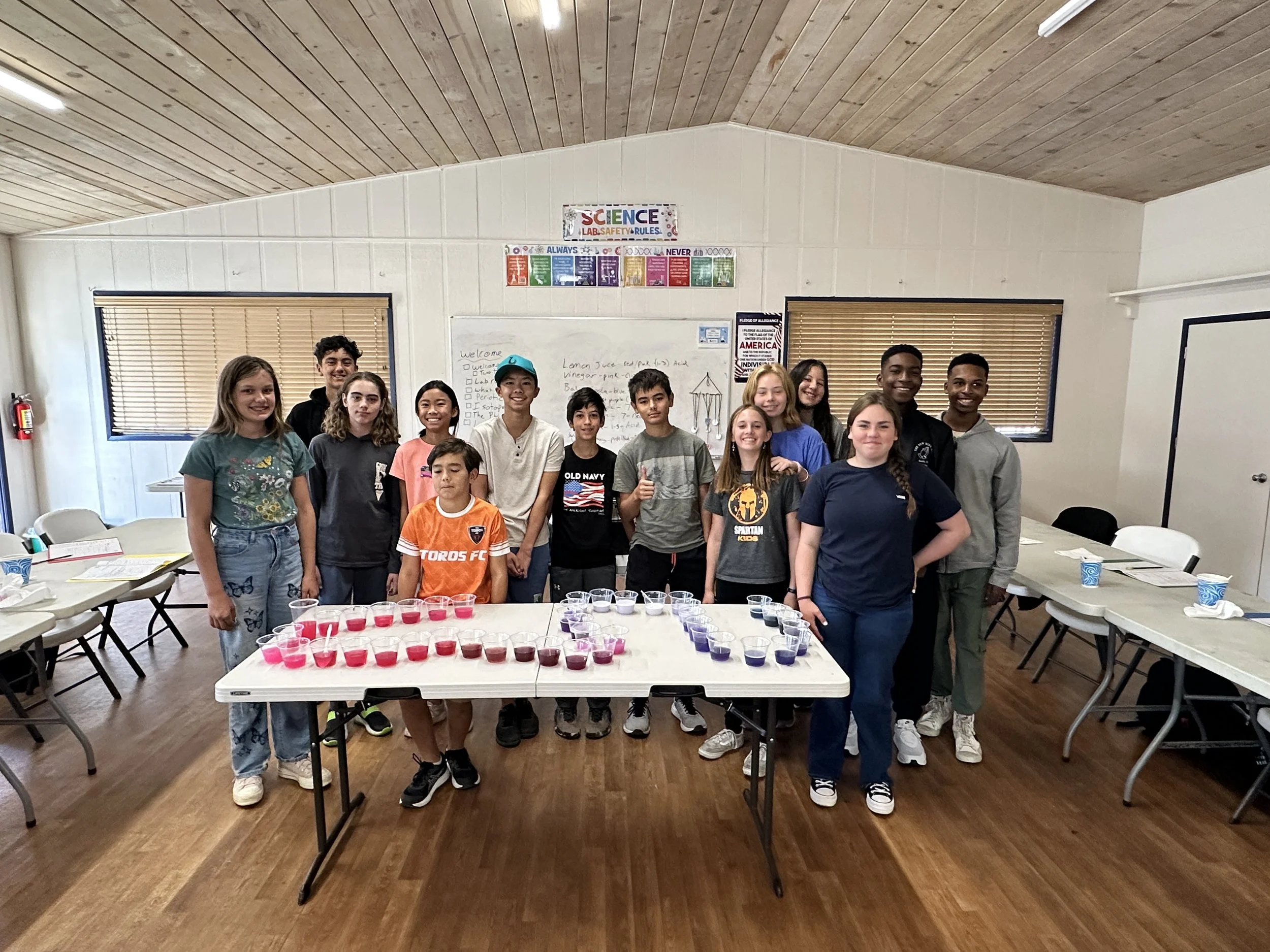
Students will investigate things like electrolytes, water filtration, pH, health testing, hydrogen gas reactions, iodine and salt.
Students will complete approximately 6 hours of lab work, with all materials, safety glasses, and proper protective equipment included.
Spring Segment 3: Cosmic Quest: Exploring Our Universe
-
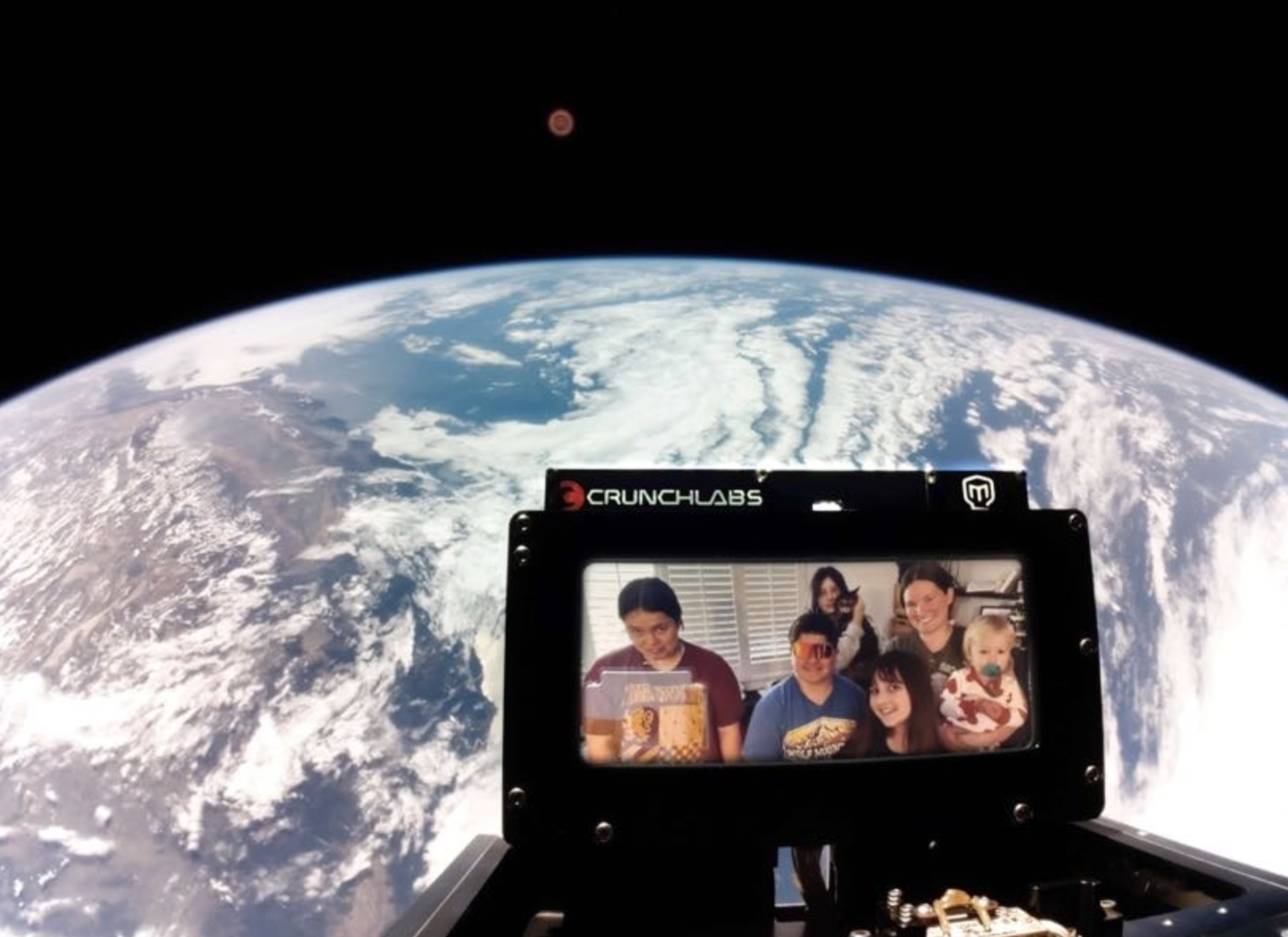
In this exciting 5-week course, students will embark on an educational journey to explore the wonders of space exploration. Through hands-on activities, interactive lessons, and engaging discussions, they will learn about the history of space travel, the science behind rockets and spacecraft, the challenges of living in space, and the future of human exploration beyond Earth. Students will also have the opportunity to engage in creative projects, including building a model rocket and designing their own space habitats. By the end of the course, students will have a deeper understanding of space, the technology that enables exploration, and the role space exploration plays in advancing science and society. Perfect for curious minds, this course will inspire the next generation of scientists, engineers, and explorers.
Future Scientists
Applied Science and Career Exploration
Future Scientists is a middle school Applied Science and Career Exploration series offered in three 5-week segments each semester. Each segment explores a different area of science through hands-on projects and real-world learning, with connections to careers like engineering, agriculture, zoology, and more.
Young Scientists may register for individual segments, but families are encouraged to enroll in all three for the fullest experience. The full series builds broader exposure to applied science topics, supports ongoing skill development, and helps students engage with a wider range of relevant state science standards.
Each segment includes hands-on activities and may feature a field trip or special project. Visit the About section for each segment to learn more.
Tuition: $350 per segment Schedule: Thursdays, 11:30 AM–1:30 PM
Location:
Prunedale Youth Center
17890 Moro Rd, Salinas, CA 93907
Fall Segment 1: Engineering
-
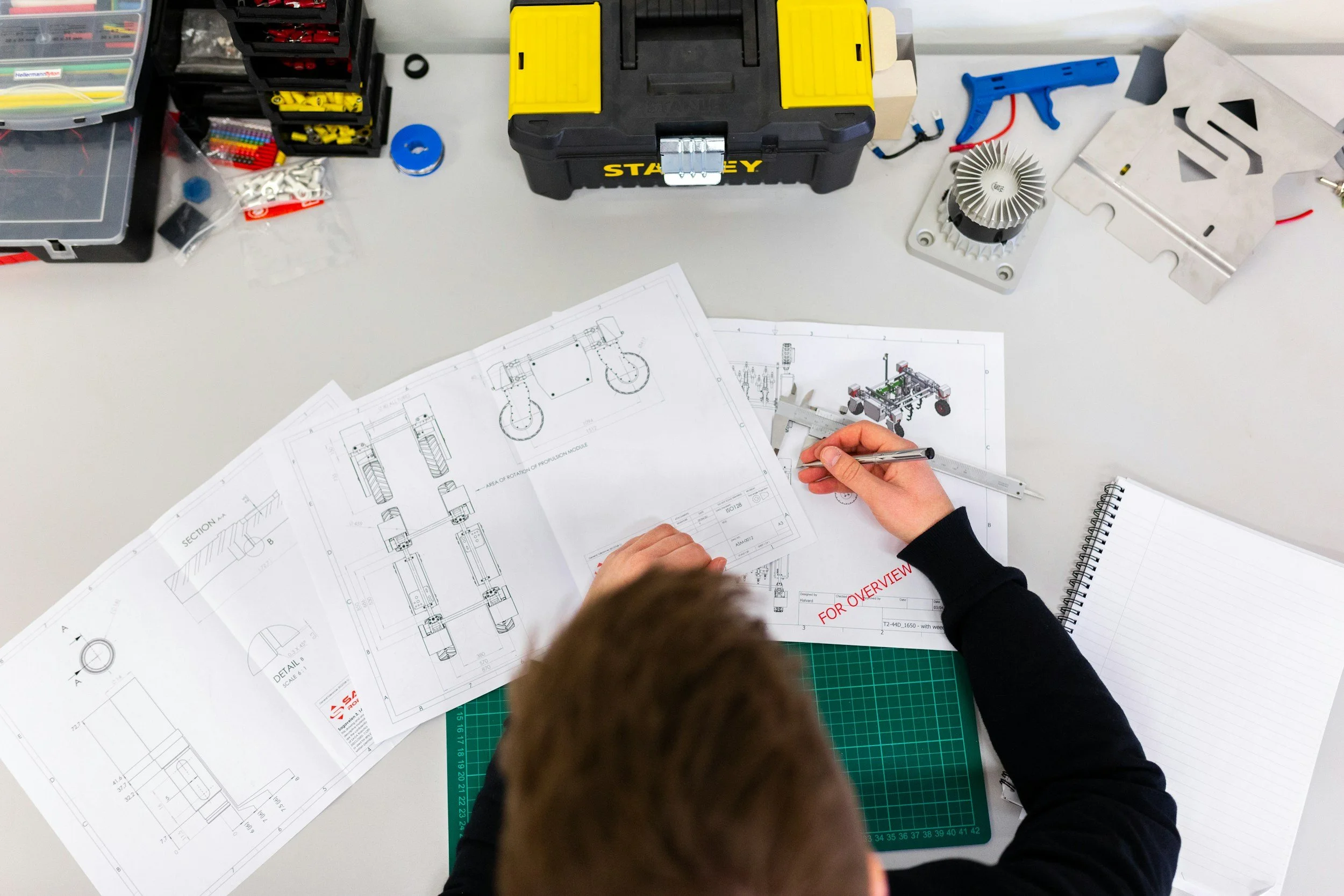
Engineering is a 5-week segment in Future Scientists, our middle school Applied Science and Career Exploration series. Through hands-on projects and problem-solving, students will explore the world of engineering while building skills in design, testing, and applied physical science. This segment supports real-world connections to science and math.
Topics include blueprints, robotics, hydrologics, sound, structure, and the use of angles and ratios in design. Through interactive challenges and projects, students will strengthen creativity, critical thinking, and problem-solving skills while discovering how engineering shapes the world around us.
Young Scientists who complete this course will also complete 5 hours of physical science lab work as part of the segment. We will also be taking a field trip to a local business to see Engineering in action.
Fall Segment 2: Science of Agriculture
-
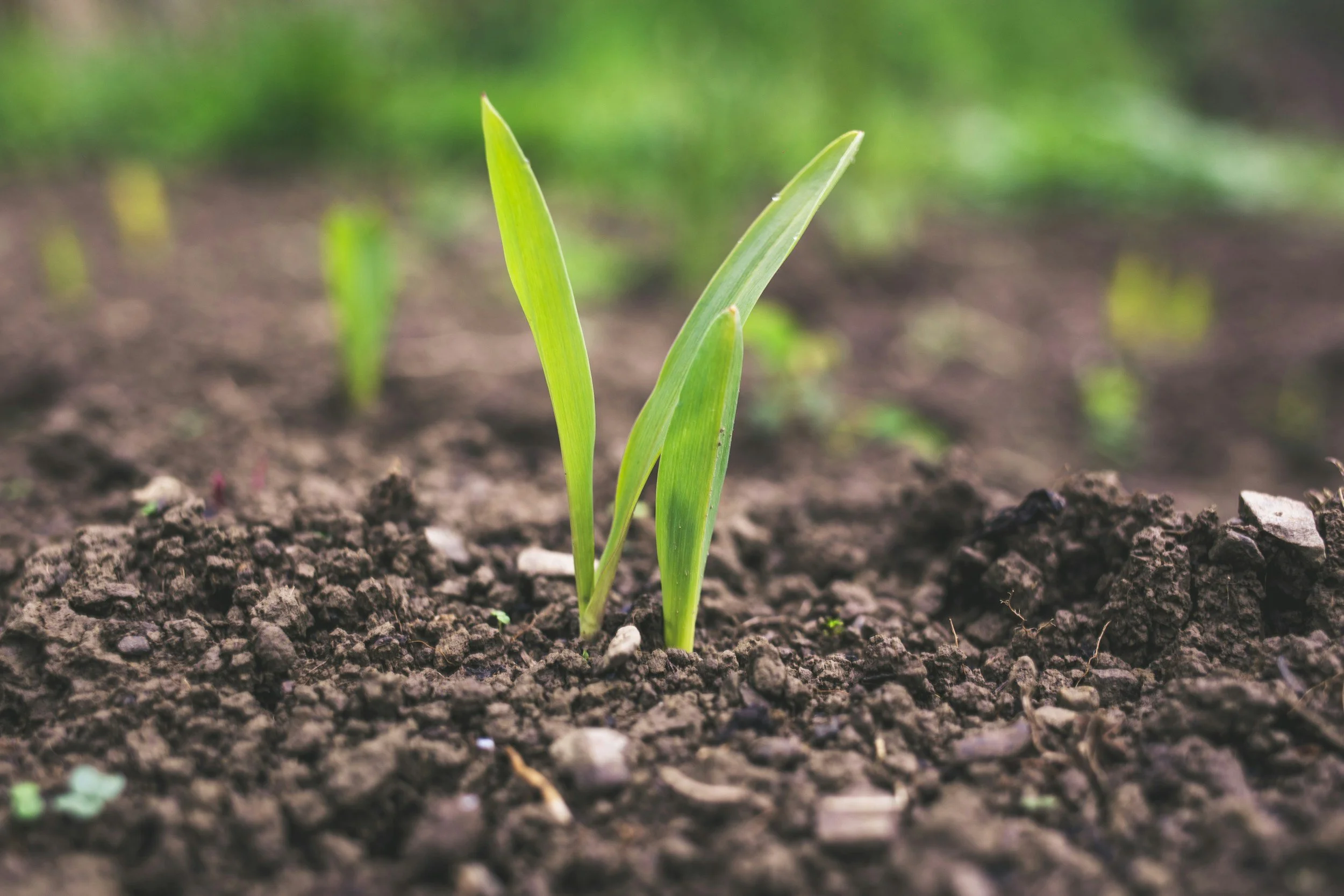
Agricultural Science is a 5-week segment in Future Scientists, our middle school Applied Science and Career Exploration series. Through hands-on learning and real-world exploration, students will examine the relationship between agriculture, the environment, and sustainable practices. This segment helps students connect science to food systems, land use, and environmental stewardship.
Young Scientists will explore foundational topics in agriculture, including crop cultivation, livestock management, agricultural technology, soil health, water conservation, and biodiversity. Along the way, they will investigate how agriculture both depends on and impacts natural systems, with discussion of broader issues such as climate change, pollution, habitat loss, and sustainability.
This segment also includes a field trip to a local farm and pumpkin patch, giving students the opportunity to deepen their understanding through direct observation and hands-on experience.

Fall Segment 3: Forensics
-
Forensics is a 5-week segment in Future Scientists, our middle school Applied Science and Career Exploration series. Through hands-on investigation and problem-solving, we will explore how science is used to analyze evidence, solve mysteries, and better understand the world around them. This segment connects scientific thinking to real-world applications.
Young Scientists will be introduced to core forensic science concepts such as observation, evidence collection, fingerprinting, trace analysis, and deductive reasoning. Along the way, they will practice careful documentation, critical thinking, and the use of scientific methods to examine clues and draw informed conclusions.
As part of the Future Scientists series, this segment helps students see how science can be applied in investigative fields and future careers. Through interactive activities and case-based learning, students will build confidence in analysis, reasoning, and scientific communication.
This segment includes a visit from a guest speaker about real life crime fighting.
Spring Segment 1: Paleontology
-
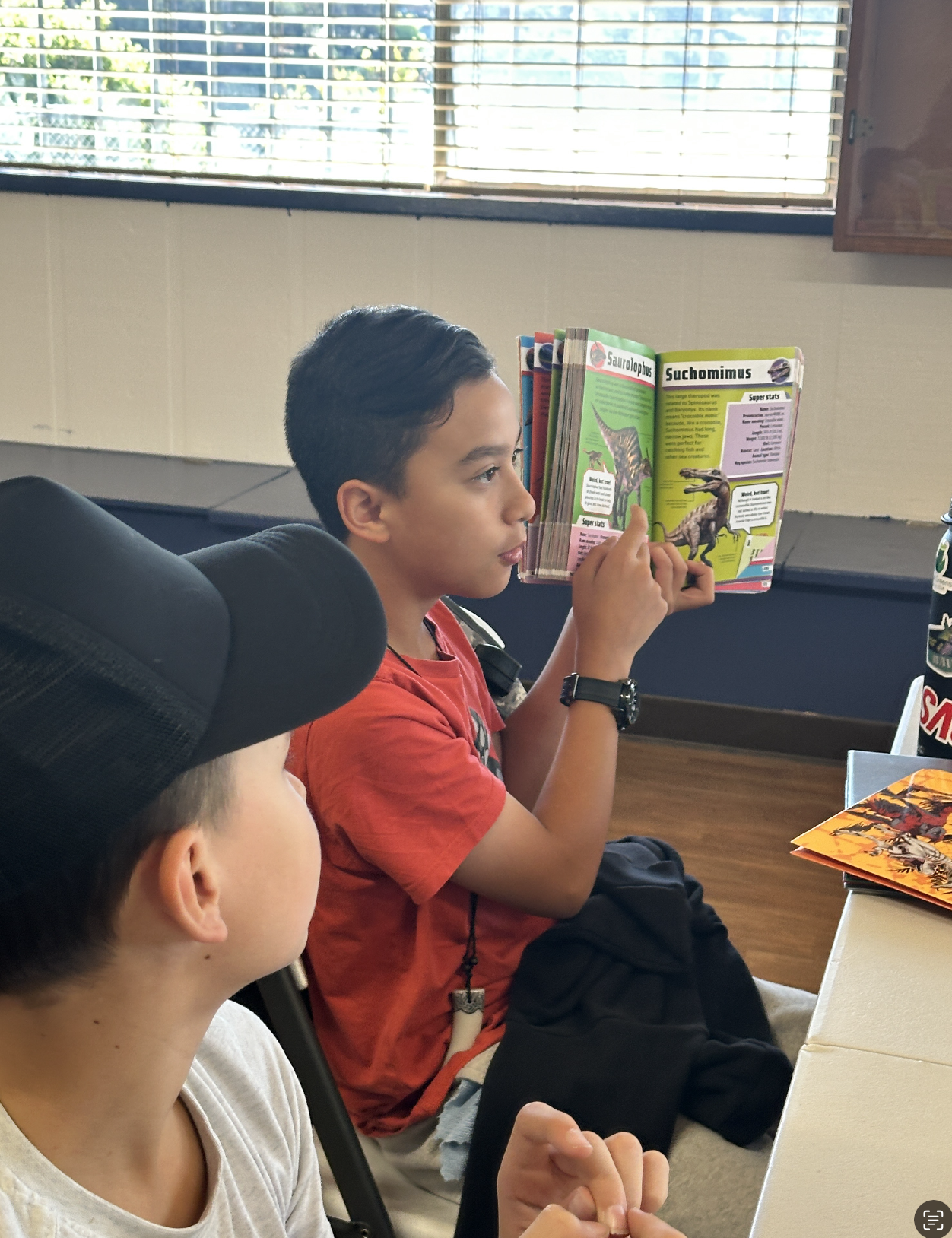
Paleontology Unit: In this unit, future scientists will explore the fascinating field of paleontology and discover how fossils provide evidence of Earth's history and the evolution of life. Through the study of dinosaurs, early life forms, fossil excavation techniques, and fossil preservation, future scientists will learn how paleontologists uncover and interpret evidence from the past. They will investigate the fossil record to identify patterns of diversity, extinction, adaptation, and change over geologic time while making connections between fossil organisms and modern species. Throughout the unit, future scientists will have the opportunity to examine real fossil specimens and investigate authentic evidence, developing observation, inquiry, and scientific reasoning skills. This unit emphasizes hands-on exploration, evidence-based thinking, and Earth's changing environments while aligning with NGSS middle school life and Earth science standards.
Spring Segment 2: Botany
-
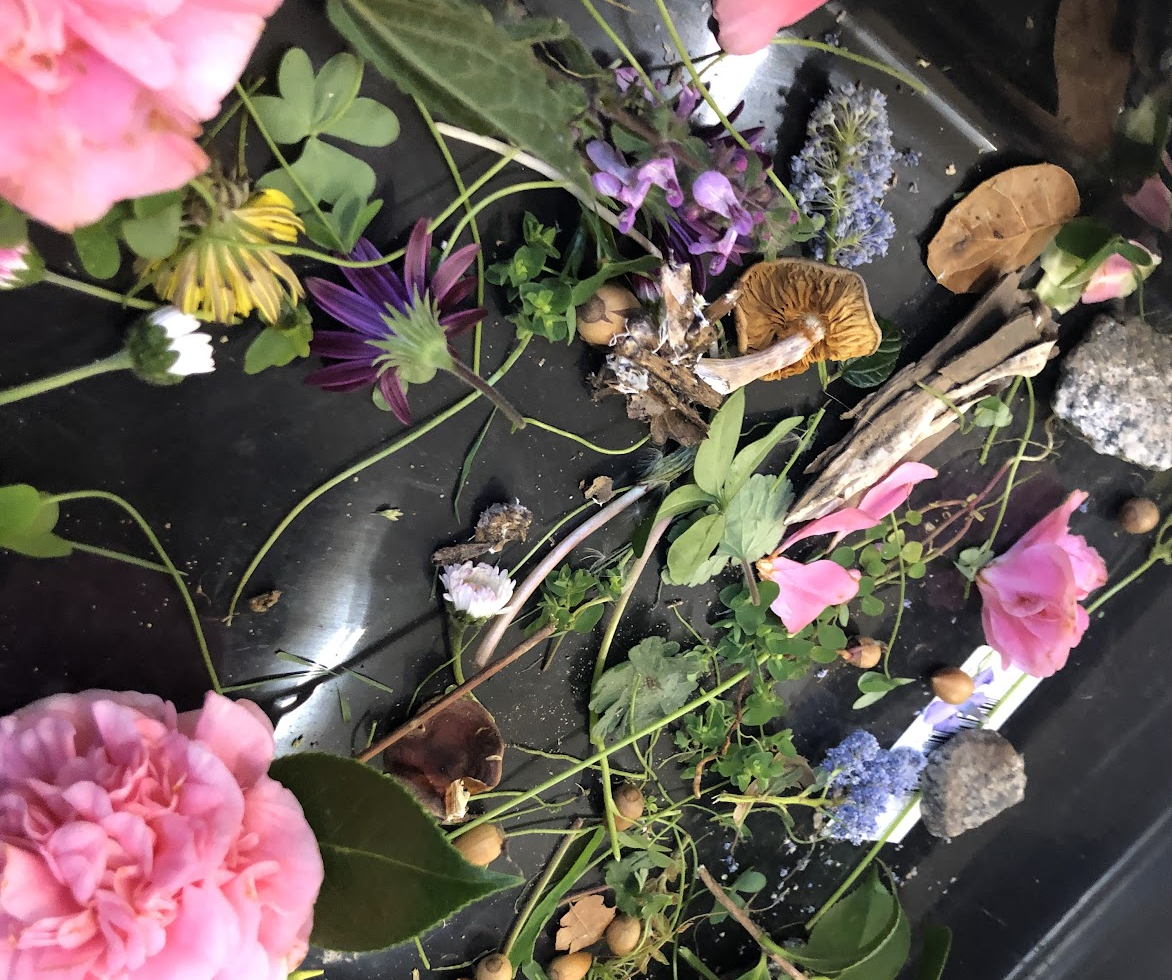
In this Botany class, students will gain an understanding of plant biology, focusing on topics such as plant anatomy, growth, photosynthesis, adaptations, and ecology. They will engage in hands-on activities like plant dissection, seed germination experiments, building their own herbarium, and ecology discussions. Students will explore plant diversity and conservation efforts, ultimately appreciating the critical role plants play in ecosystems and human life. By the end of the course, students will have developed practical skills and a deeper knowledge of botany that prepares them for further studies or careers in environmental science and conservation.
Spring Segment 3: Vet Science
-
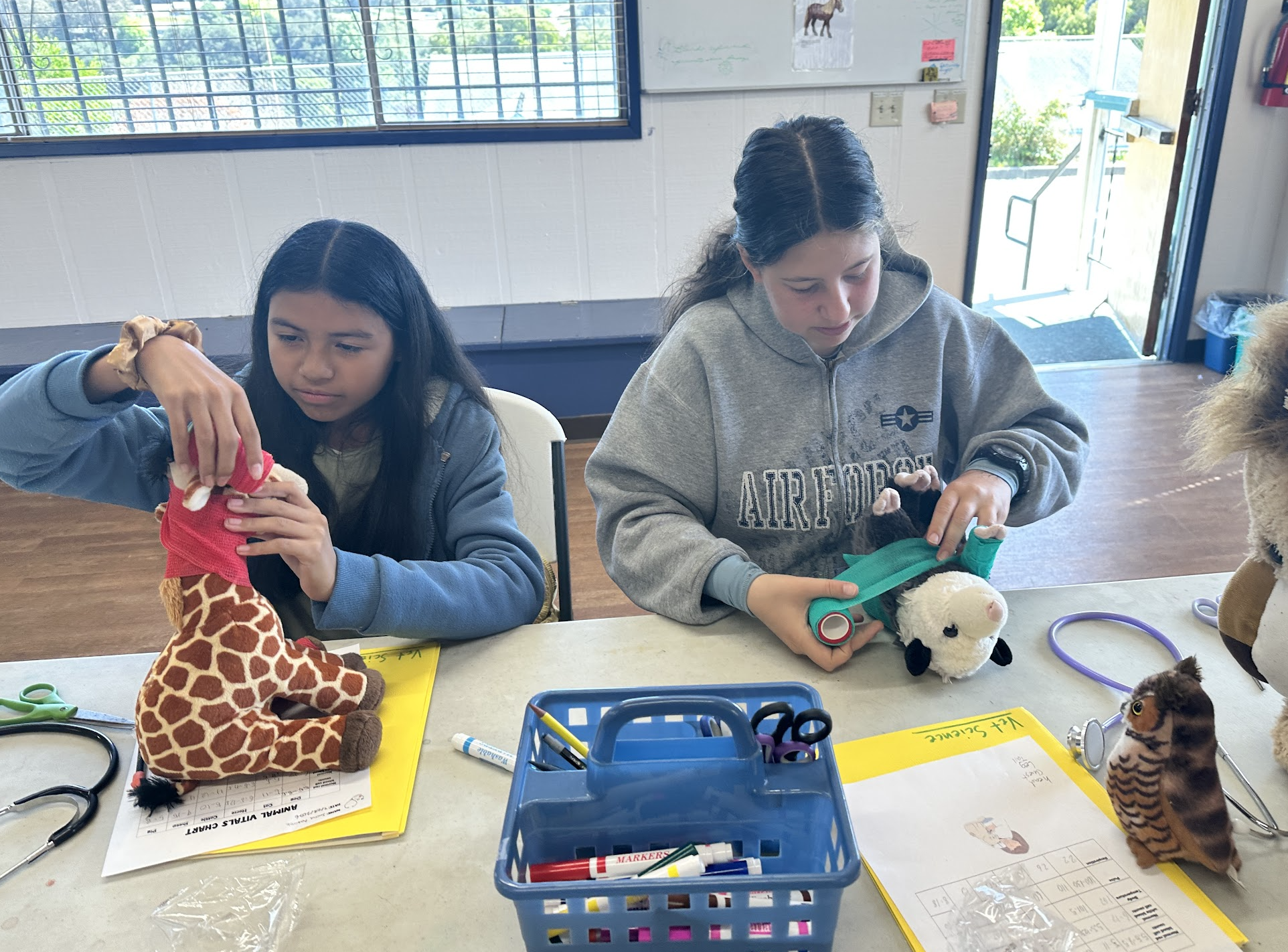
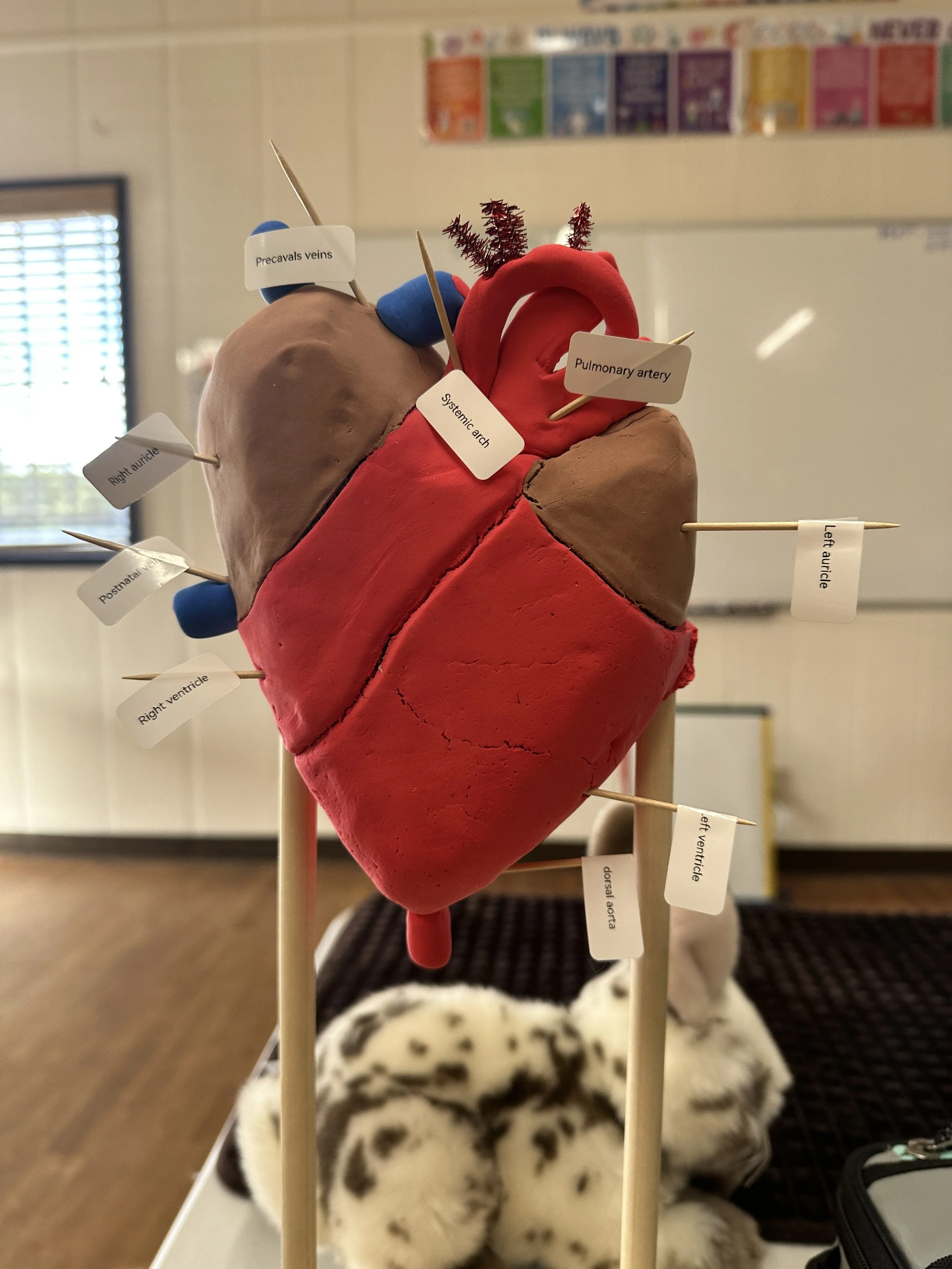
This hands-on Veterinary Science course explores key middle and high school biology concepts through the fascinating world of animal care and medicine. Students will learn about veterinary tools, animal vitals, first aid, microscopy, taxonomy, breeds, body systems, and common veterinary procedures through engaging labs and role-play activities. Highlights include examining animal organs such as a sheep pluck, brain, and cow eye; investigating blood and parasites under the microscope; completing a pig dissection; building a first-aid emergency kit; and running a mock veterinary clinic. Students will complete approximately 5 hours of biology lab work, with all lab materials and safety equipment included.
Art Classes
Each five-week middle and high school art segment invites students to deepen their creativity through themed projects inspired by nature, place, and the world around them, using a variety of art mediums.
In these 1.5-hour classes, students will strengthen artistic techniques through hands-on instruction while exploring creative problem-solving, observation, and personal expression. Students are encouraged to take creative risks, refine their skills, and grow in confidence as they create meaningful artwork inspired by the natural world.
Tuition: $200 per segment. Schedule: Fridays, 2:15 PM – 3:45 PM
Location:
Prunedale Youth Center
17890 Moro Rd, Salinas, CA 93907
Segment 1: Earth Systems in Art
-
In this five-week segment, students will create art inspired by the powerful systems that shape our planet. Through landscapes, storm studies, volcano and tectonic projects, watershed art, and texture-based explorations of rocks and minerals, students will use a variety of mediums to investigate Earth’s dynamic processes. Projects will encourage observation, experimentation, and creative interpretation while helping students connect art with earth science.

Segment 2: Geography, Place and Landscape Art
-
This segment invites students to explore the relationship between art, geography, and a sense of place. Through artistic mapmaking, topographic-inspired drawings, biome studies, and projects based on local parks, trails, watersheds, and landscapes, students will create meaningful work connected to the world around them. Along the way, they will strengthen artistic techniques while developing a deeper appreciation for land, region, and environment.
Segment 3: Wildlife and Scientific Illustration
-
In this five-week segment, students will combine art and observation as they study animals and the natural world through illustration. Projects may include scientific sketches, habitat-based wildlife compositions, texture studies of feathers, fur, and scales, bird or pollinator artwork, and conservation-themed final pieces. Students will build drawing skills, attention to detail, and confidence as they create artwork inspired by the beauty and diversity of wildlife.
Coding & Robotics
Grades 4th - 8th
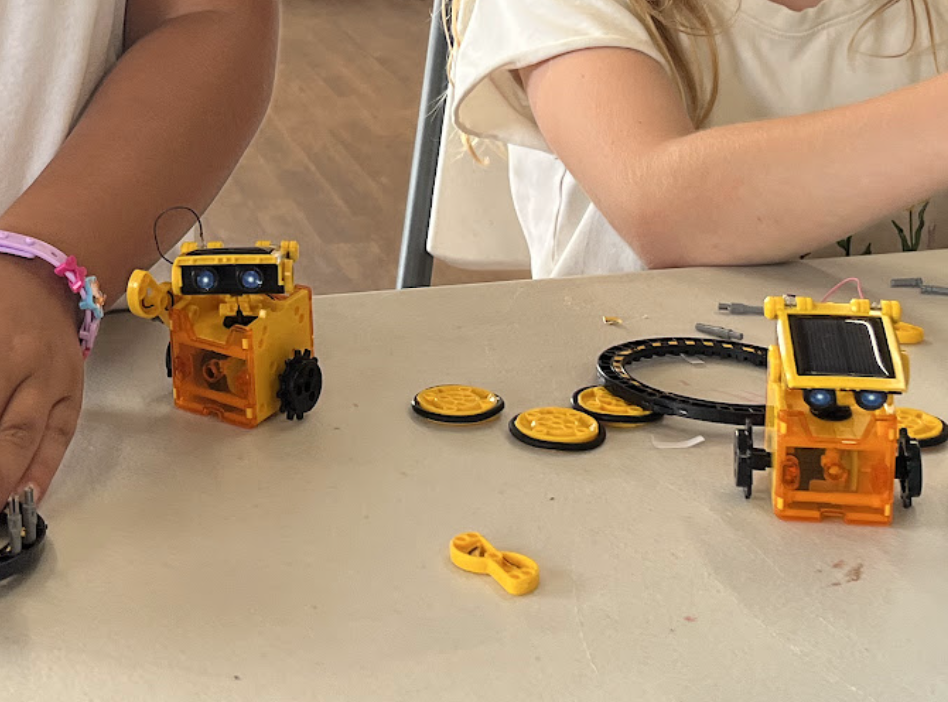
Dive into robotics, engineering, coding, and teamwork through a guided, hands-on experience with Owl STEAM Academy! Students will learn how robots work, explore coding concepts, and work together to solve creative engineering challenges.
Throughout the class, students will design, build, test, program, and improve their ideas while learning how coding and engineering come together in real-world robotics. Activities may include programming robots to navigate challenges, completing team missions, experimenting with sensors and movement, and designing solutions to hands-on engineering problems.
This class is a great fit for students who enjoy building, coding, experimenting, problem-solving, and working with others. Students will be encouraged to think creatively, troubleshoot their designs, and take ownership of their solutions as they work through increasingly challenging projects.
Each session includes hands-on robotics, coding, engineering, and collaborative problem-solving activities.
Tuition: $250 per 5-week session (signing up for all 3 is encouraged for the best experience!)
Schedule: Wednesdays, 11:30–1:30 PM
Location:
Prunedale Youth Center
17890 Moro Rd, Salinas, CA 93907